The Isaaq Genocide is a tragic and little-known part of history that deserves our attention. From 1987 to 1991, the Somalia government carried out a brutal campaign against the Isaaq people, leading to the deaths of over 500,000 innocent lives and tearing countless families apart. Despite the scale of this atrocity, the world has largely ignored the Isaaq Genocide, leaving survivors and their families without justice and recognition. This neglect continues to haunt the Isaaq people today.
During those dark years, Somaliland was engulfed in unimaginable violence. The Somalia government targeted the Isaaq people with mass executions, torture, rape, and enforced disappearances. No one was spared—not women, children, or the elderly. The government, driven by political unrest and ethnic hatred, saw the Isaaq people as enemies because they sought greater autonomy and supported the Somali National Movement (SNM). This led to a horrifying campaign to wipe them out.
The Isaaq Genocide is one of the worst tragedies Africa faced in the 20th century. Its impact is still felt today, as many from Somaliland had to flee their homes in search of safety. Families are left with the pain of not knowing what happened to their loved ones. This terrible event highlights the importance of human rights and the need for the rule of law. The Somalia government’s actions were a blatant violation of international law.
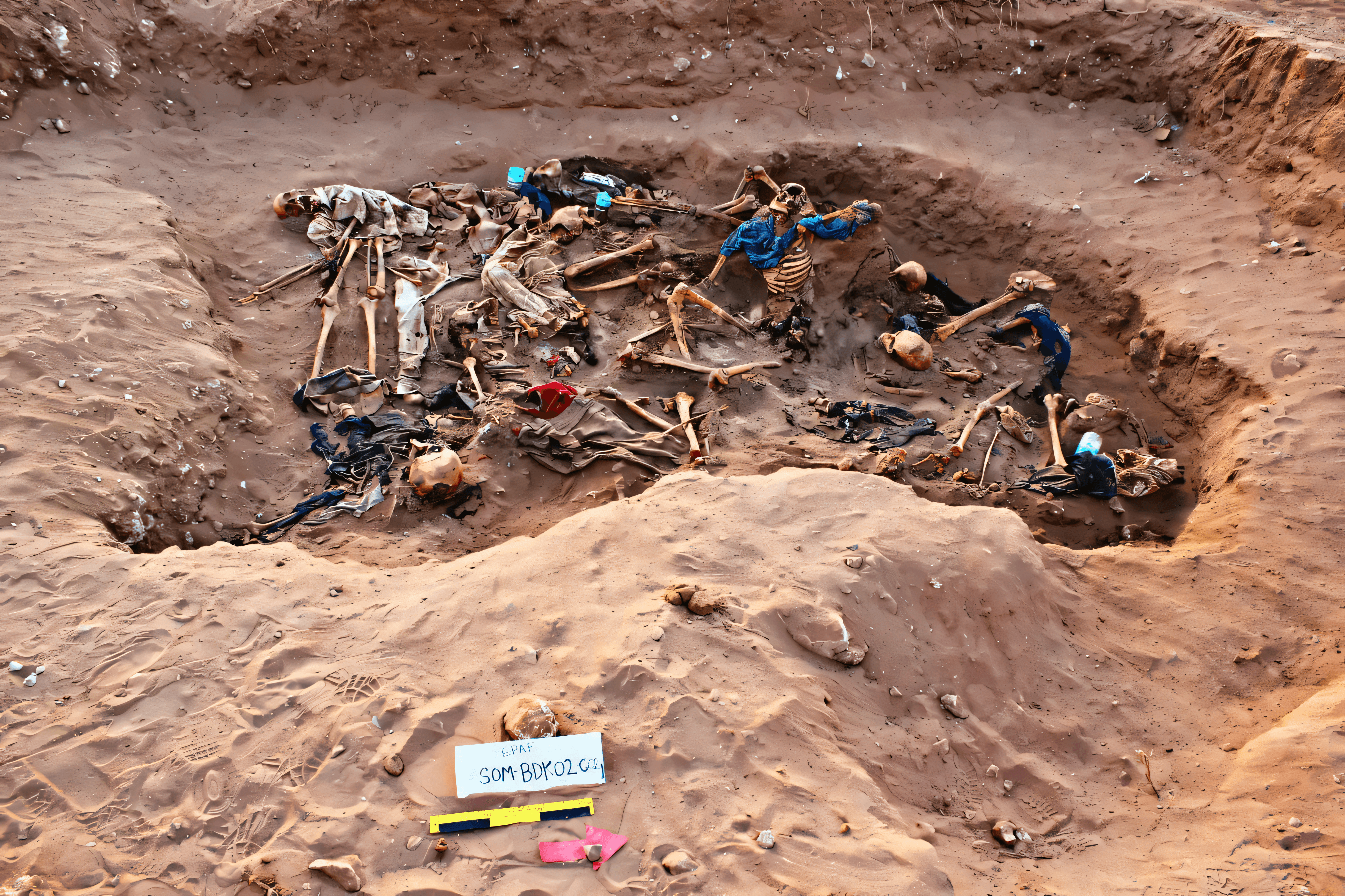
We have detailed records showing the extent of the suffering during the Isaaq Genocide. It’s crucial that we bring these stories to light, not just to honor the victims, but to ensure such horrors are never repeated. Remembering the Isaaq Genocide is essential for preventing future atrocities. When genocides are ignored, it suggests to potential perpetrators that the world doesn’t care, encouraging them to commit similar crimes without fear of punishment.
Recognizing the Isaaq Genocide is also vital for healing. It gives survivors and their families a sense of justice and helps them start to rebuild their lives. When the international community acknowledges such crimes, it lays the groundwork for peace and stability in regions torn apart by violence.
Education is a powerful tool to prevent future genocides. By teaching about the Isaaq Genocide, we can help future generations understand and recognize the signs of such atrocities. This awareness can lead to quicker and more effective responses to prevent genocide.
Remembering the Isaaq Genocide means committing to justice and valuing every human life. Let’s make sure this dark chapter is part of our collective memory. By doing so, we honor the victims and ensure we are vigilant against hatred and violence. Together, through recognition, education, and a dedication to justice, we can help build a future where genocides are a thing of the past.